

1. Innovate the curriculum by aligning it with international standards and integrating Industry 4.0 technologies, artificial intelligence, and clean energy; adopt an applied training approach to prepare students for the labor market.
2. Develop and enhance faculty expertise, facilitating participation in both domestic and international conferences.
3. Intensify scientific research, publish findings in international journals, and foster collaboration with enterprises.
4. Expand training and research partnerships with international institutions, promoting student and faculty exchanges.
5. Establish modern laboratories and advance the digitalization of teaching and learning.
6. Provide comprehensive student support, including the promotion of extracurricular activities, internships, and entrepreneurship initiatives.
7. Integrate environmental protection and clean energy concepts into the curriculum and implement community-oriented projects. Vision: The Faculty strives to become a leading entity in the Southeast region, meeting international standards and contributing to the sustainable development of Vietnam's industrial sector and the global industry.
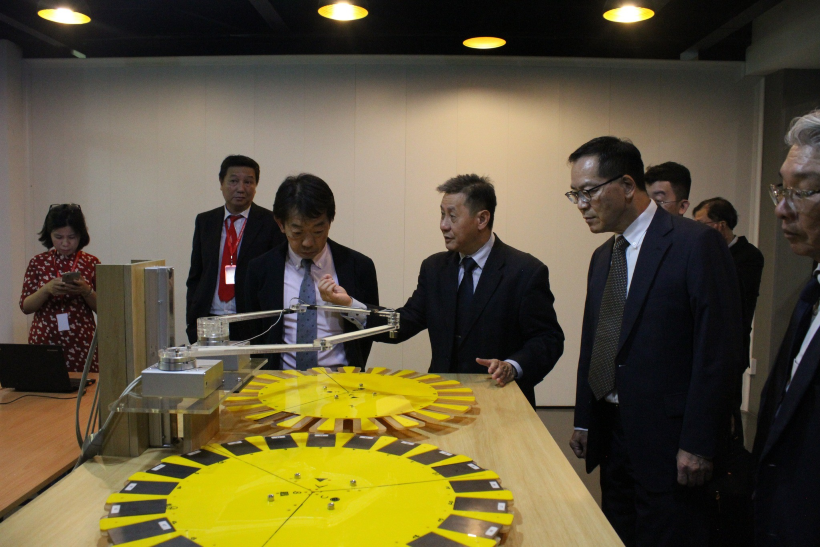
1. The Faculty of Engineering will update its curricula to integrate Industry 4.0 technologies, achieve 100% domestic accreditation, and launch three joint programs by 2030.
2. Strengthen the faculty by ensuring 50% hold doctoral degrees and achieving an average output of two international publications per lecturer annually.
3. Promote the transfer of scientific research, targeting an average of five products per year.
4. Expand partnerships with 50 enterprises and international organizations, and facilitate the exchange of 50 students annually.
5. Integrate sustainable development into 100% of academic programs and implement four environmental projects per year.
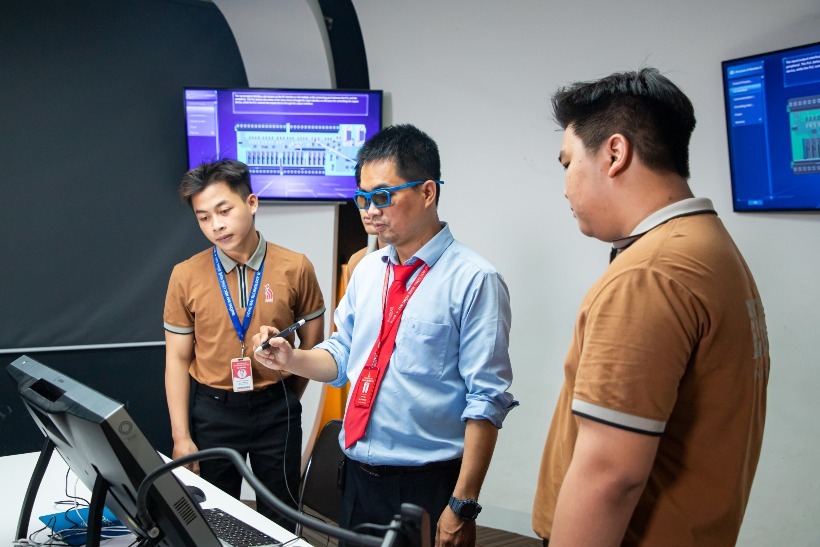
1. Research and Development Collaboration
- Conduct applied research projects and technology transfers to meet practical needs.
- Publish research findings in international scientific journals.
2. Training and Capacity Building
- Facilitate training and exchanges of faculty and students with universities and enterprises.
- Organize seminars, specialized courses, and internship programs for students.
3. Collaboration with Enterprises and Organizations
- Partner to solve technical challenges and develop new products.
- Secure funding and support from enterprises for research and training activities.
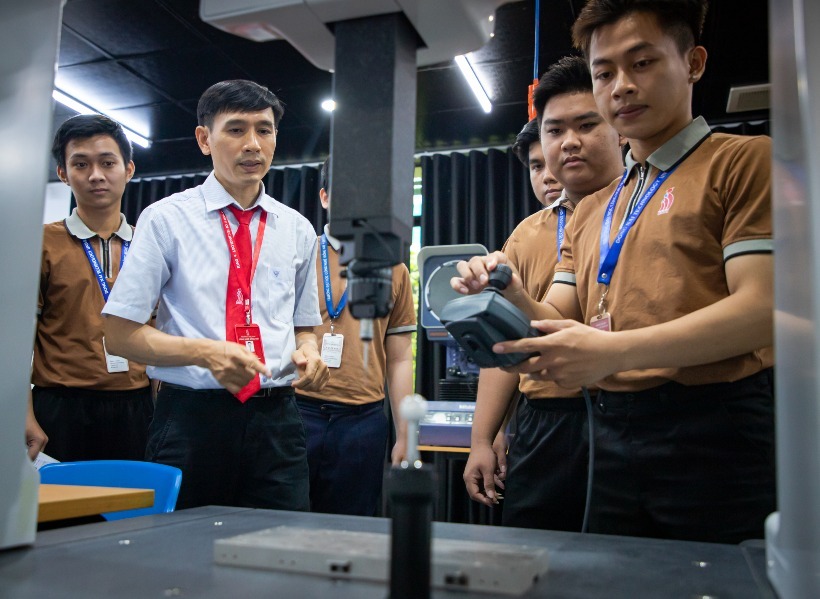

Trong suốt hai thập kỷ xây dựng và phát triển một hành trình vẻ vang và đầy tự hào, Trường Đại học Công nghệ Đồng Nai không ngừng theo đuổi sự đổi mới sáng tạo thông qua hệ thống giáo dục toàn diện.